
Union Budget 2026–27: India’s Climate Push Isn’t Just About “Green” — It’s About Building the Supply Chain

What changed for clean manufacturing (batteries, storage, materials) — and why execution on factory floors is the real battle.
Most people think a “climate budget” means subsidies and slogans.
This year’s Budget signal was different.
It’s quietly trying to make India capable of building clean-tech at scale — not just buying it. That means lowering the cost and friction to manufacture things like battery cells, grid storage (BESS), and key clean-energy inputs.
Below is the simple story.
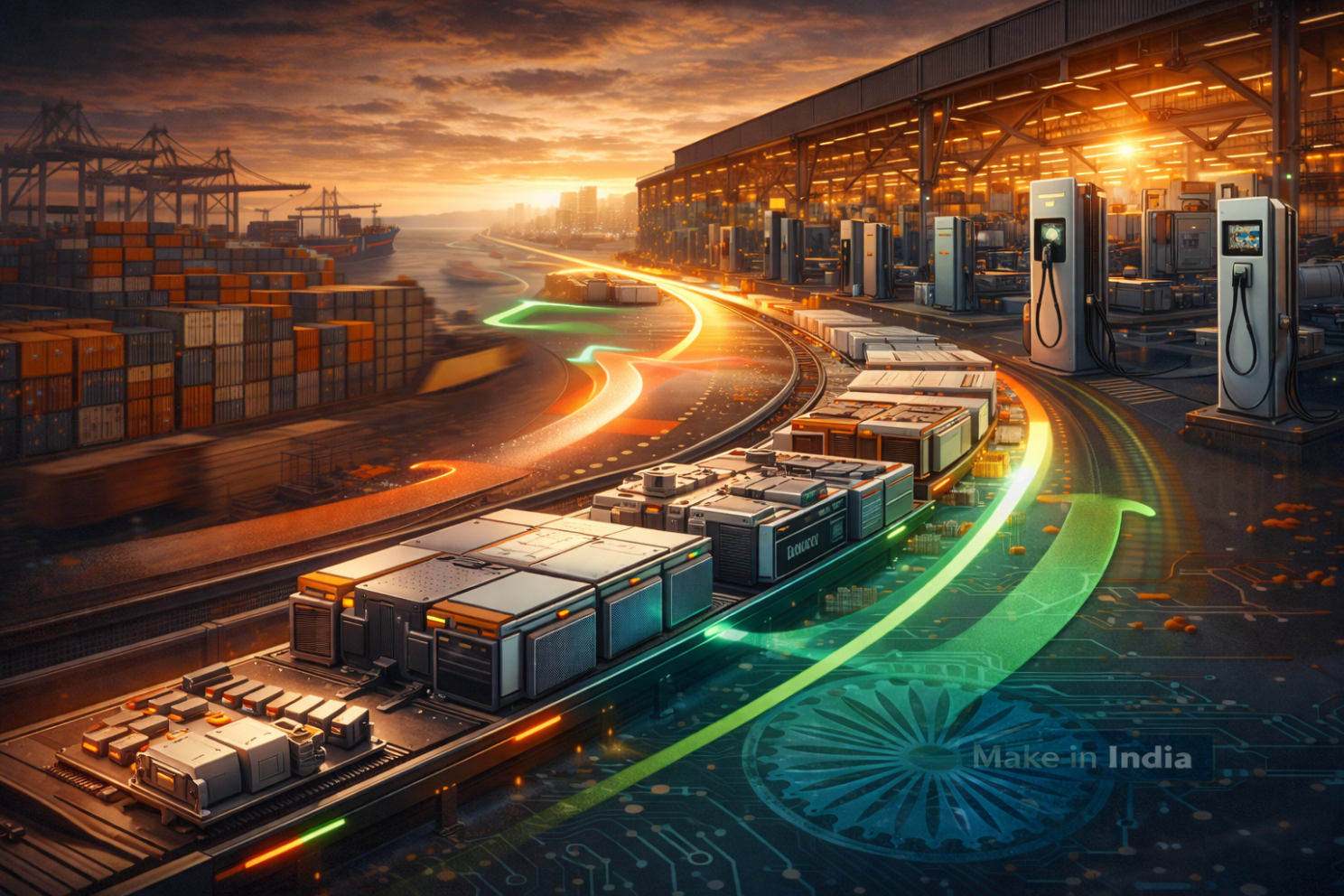
1) The government is pushing “make it here”, not “import it”
A lot of clean-tech progress comes down to one boring thing:
Can we build the hardware locally at a competitive cost?
The Budget’s direction suggests:
- lower friction for domestic manufacturing
- support for equipment needed to produce clean-tech components
- steps to improve supply chain independence over time
What it means for normal people: If manufacturing becomes cheaper and faster in India, clean-tech gets deployed quicker — EVs, charging, storage, renewables.
2) Grid storage is becoming a serious priority
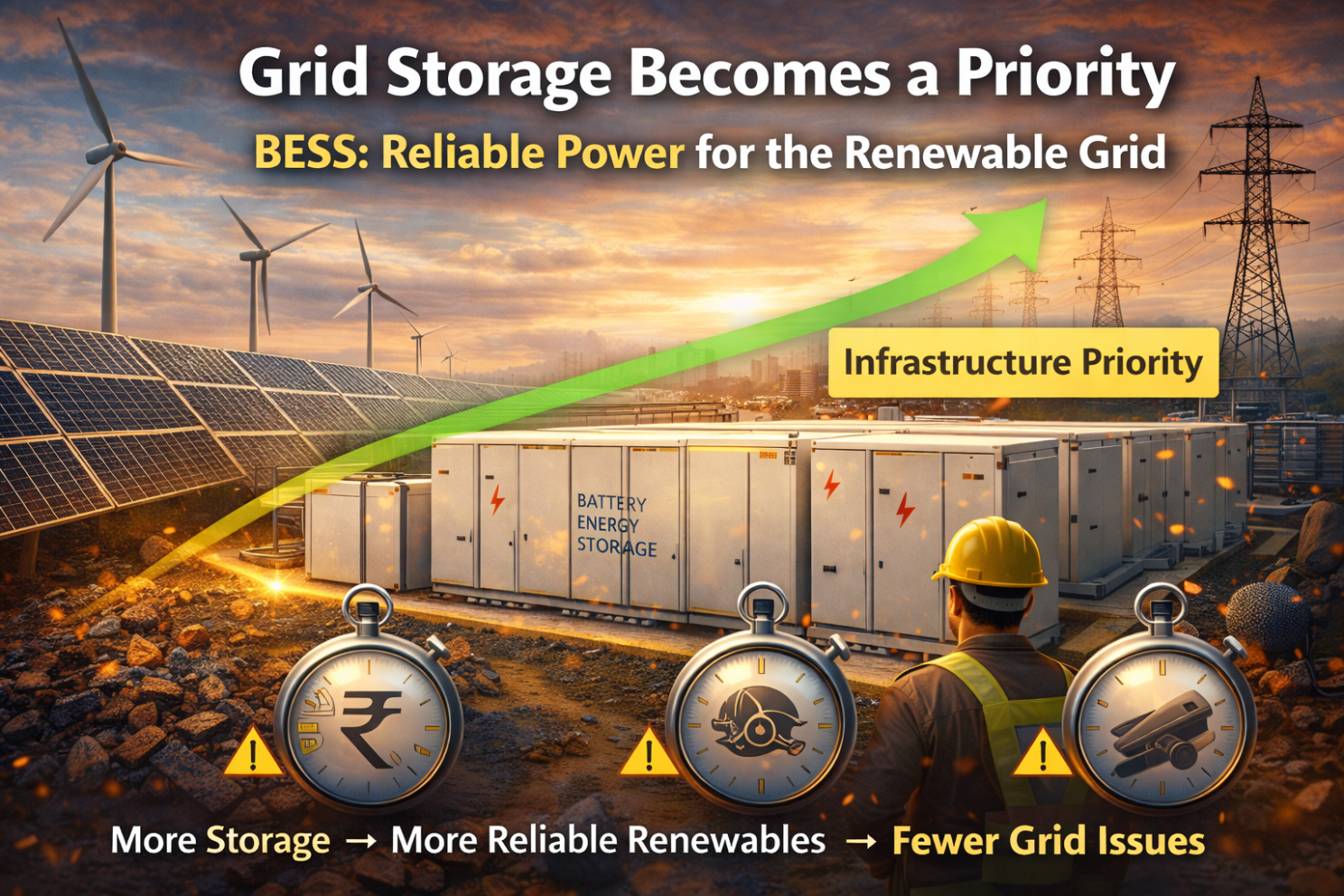
Renewables like solar and wind don’t produce power all the time. So you need storage.
That’s where BESS (Battery Energy Storage Systems) comes in — big battery banks that store electricity and release it when needed.
Budget signal: storage is being treated as infrastructure, not a “nice-to-have”.
What it means: More storage → more reliable renewable power → fewer grid problems → smoother transition.
3) “Critical minerals” are the real chessboard
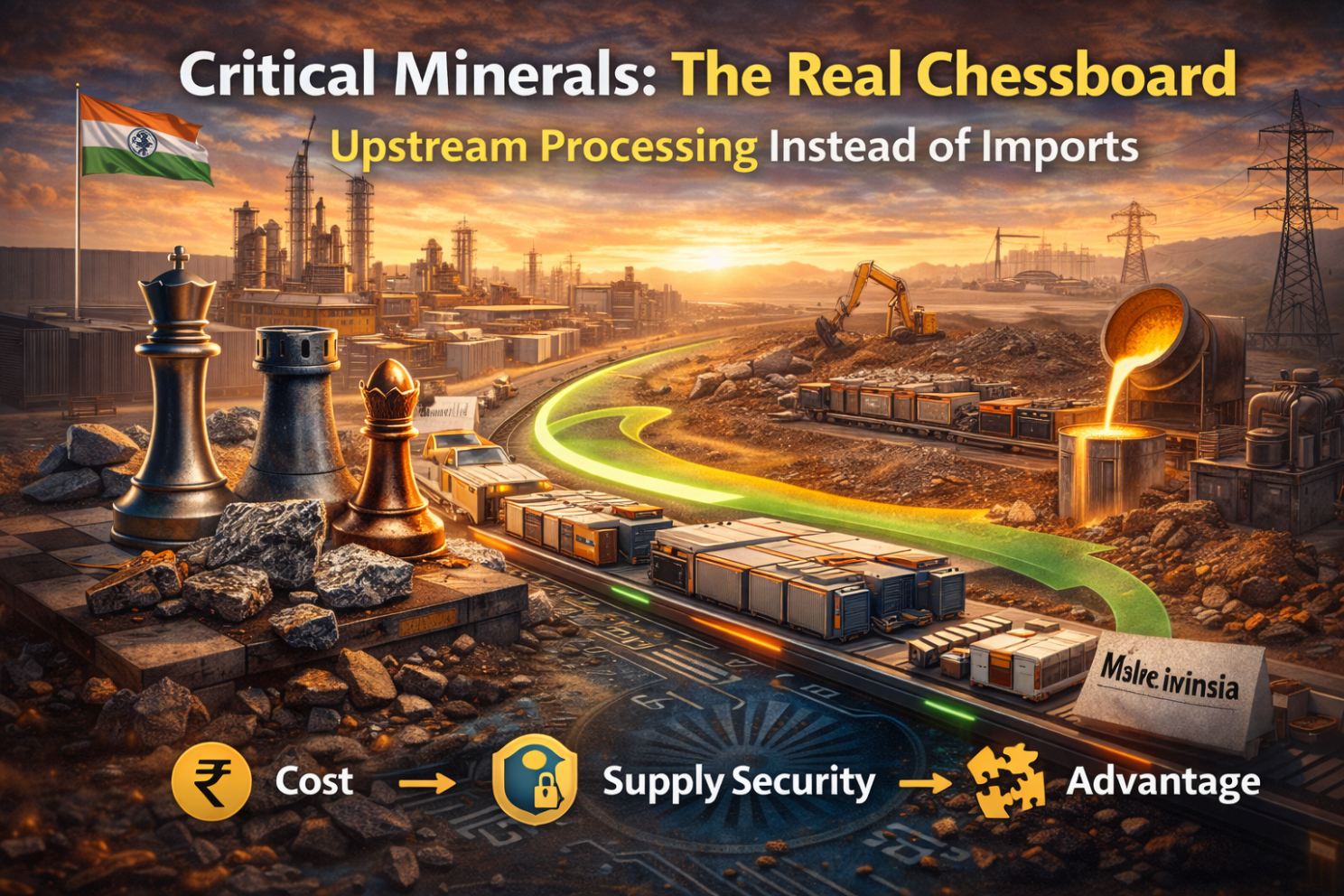
People talk about EVs and batteries — but under the hood, it’s a materials game.
Critical minerals (and their processing) decide:
- cost
- supply security
- how dependent you are on other countries
Budget signal: India wants to move from buying finished inputs to building capability to process and manufacture more of the upstream chain.
What it means: This is long-term, but it’s how countries build real advantage. The winners in clean-tech won’t just be “assemblers.” They’ll be supply chain owners.
4) Here’s the uncomfortable truth: policy doesn’t guarantee results
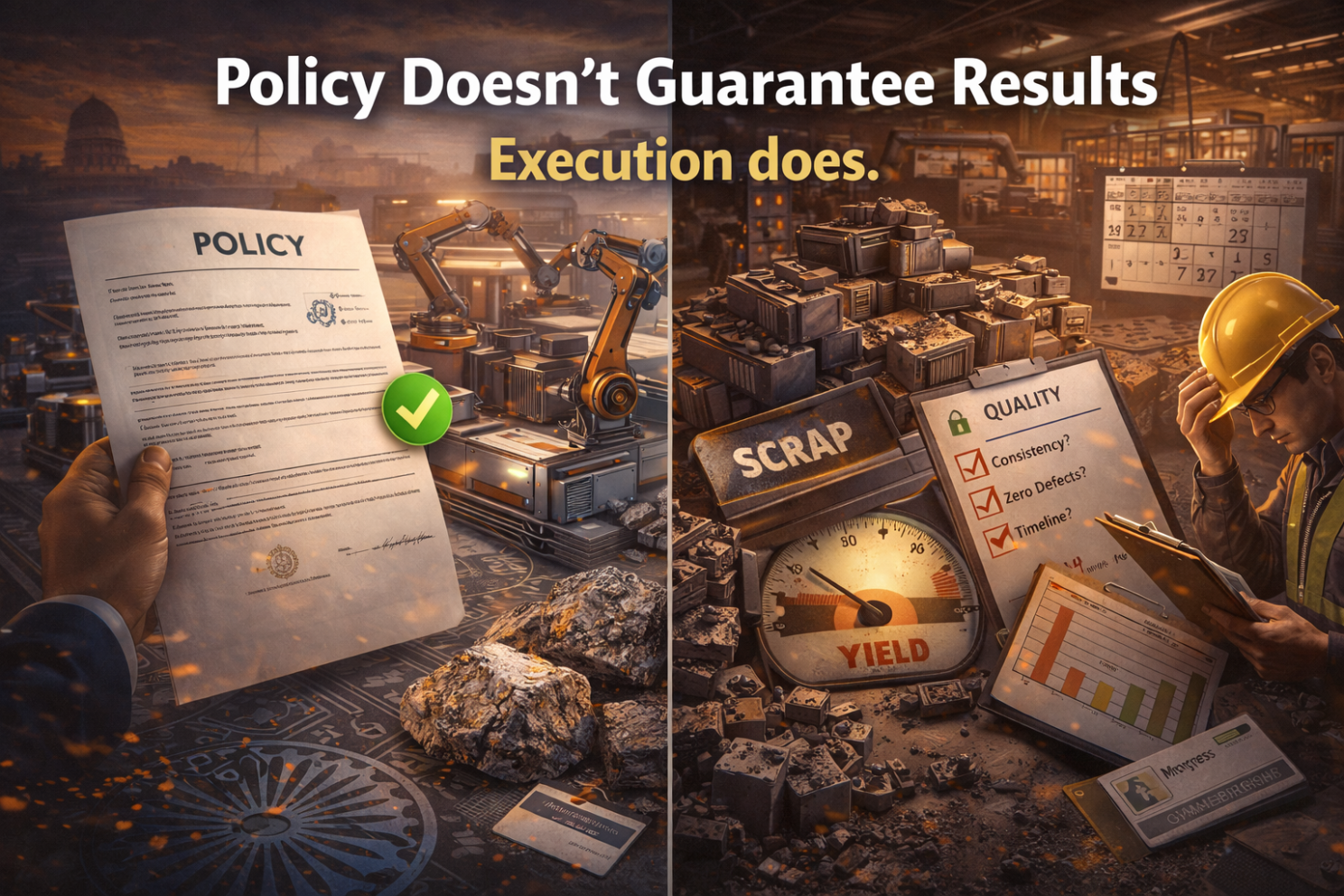
Even if the Budget makes it cheaper to buy machines and set up plants…
That doesn’t automatically mean success.
Because in batteries (and most manufacturing), the real pain is:
- quality consistency
- high scrap rates
- yield loss
- factory qualification time
- reliability over months, not demos
Simple analogy: Buying a gym membership doesn’t make you fit. Execution does.
This Budget is laying the groundwork for the energy transition as an industrial build-out, not a PR campaign.
But the next bottleneck will be execution:
- can factories produce at high yield?
- can suppliers deliver consistent quality?
- can adoption happen without failures and delays?
That’s where the next set of winners will come from.
Quick glossary
- BESS: Large battery banks that store power for the grid
- Critical minerals: materials that are essential and supply-constrained (think battery supply chain)
- Yield: percentage of “good output” a factory produces (higher yield = lower cost)
What do you think India needs more right now to win clean-tech?
A) cheaper manufacturing equipment
B) faster standards + factory qualification
C) stronger domestic supply chains for materials
D) all of the above (but what’s #1?)

Frequently Asked Questions
Everything you need to know about the onboarding pipeline and data protocols
